Ina Garten-Inspired Chocolate Cake
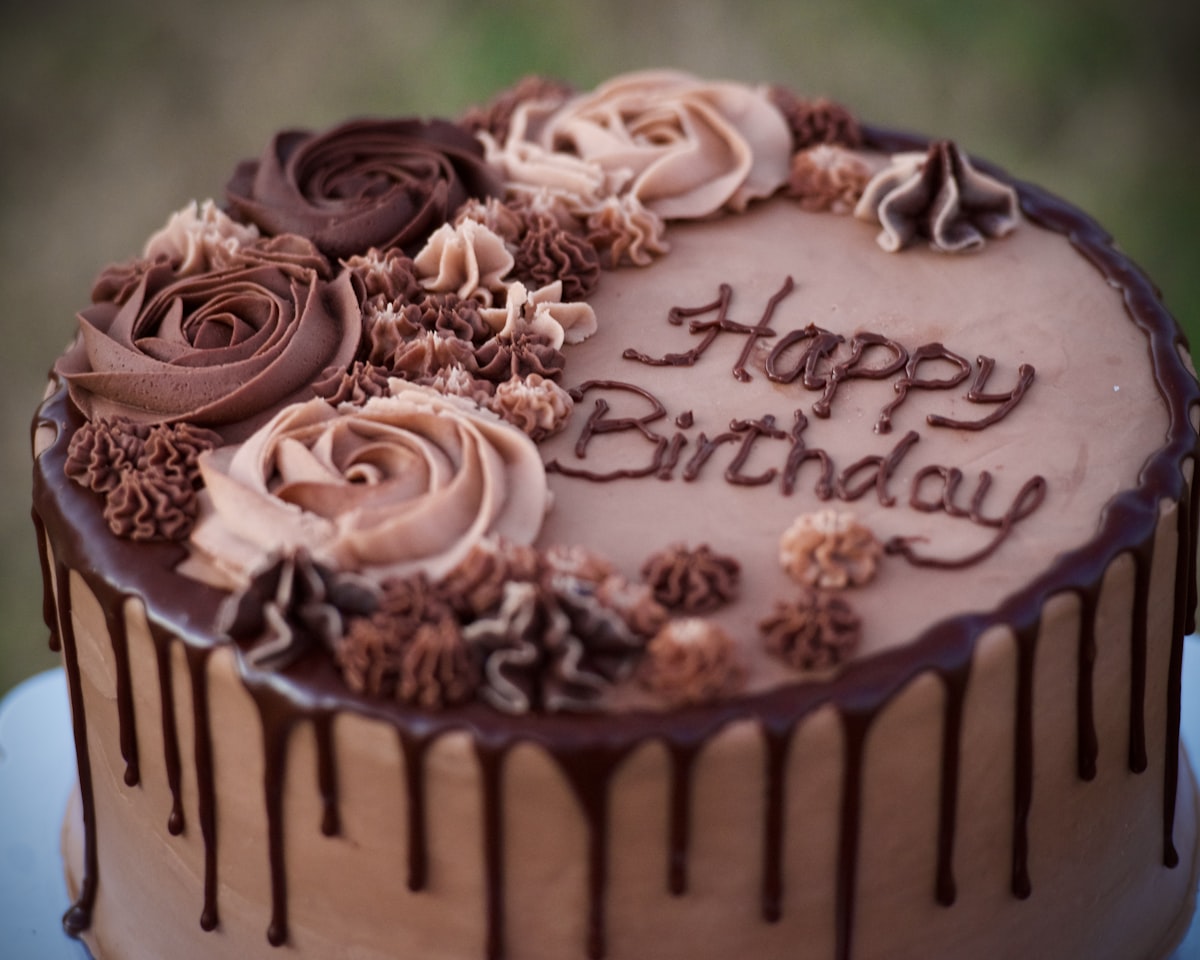
There are two kinds of cocoa powder on the shelf and they are not interchangeable, which is why the same recipe works for one person and comes out flat for another.
Natural cocoa is acidic. Dutch-process cocoa has been treated with alkali to neutralise it. Bicarbonate of soda needs an acid to react with, so a recipe leavened with soda relies on natural cocoa to supply it — use Dutch-process instead and there is nothing to trigger the reaction, so the cake barely rises and carries a faint soapy taste. Recipes built on Dutch cocoa use baking powder, which brings its own acid and does not care.
This recipe uses both cocoa types' common denominator: natural cocoa with bicarbonate of soda, plus a little baking powder as insurance. If your tin says "processed with alkali", it is Dutch — use baking powder only.
Jump to the recipe ↓Ina Garten-Inspired Chocolate Cake
Serves 12 · Baking
- Prep
- 25 min
- Cook
- 35 min
- Total
- 1 hr 30 min
Moderate7 steps, 11 ingredients
Ingredients
- 250 g plain flour
- 80 g natural cocoa powder
- 400 g caster sugar
- 2 tsp bicarbonate of soda
- 1 tsp baking powder
- 1 tsp kosher salt
- 2 eggs, room temperature
- 250 ml buttermilk
- 120 ml vegetable oil
- 2 tsp vanilla extract
- 250 ml boiling coffee
Method
- Heat the oven to 175°C (155°C fan). Line two 20 cm tins.
- Whisk all the dry ingredients together.
- Whisk the eggs, buttermilk, oil and vanilla in another bowl.
- Combine wet and dry, mixing only until it comes together.
- Pour the boiling coffee in and stir it through. The batter will be alarmingly thin. That is correct.
- Divide between the tins. Bake , until a skewer comes out with a few damp crumbs.30–35 minutes
- Cool in the tins, then turn out onto a rack.10 minutes
Bloom the cocoa in something boiling
Cocoa's flavour compounds are locked in solid particles surrounded by cocoa butter. Hot liquid melts that fat and dissolves them out. That is what the cup of boiling coffee at the end of so many chocolate cake recipes is for, and it is why skipping it gives a cake that is brown but not especially chocolatey.
Oil, not butter
Butter is only about 80% fat and it is solid at room temperature, so a butter-based chocolate cake firms up and reads as dry a day later. Oil stays liquid, and the crumb still eats as moist on day three. Butter tastes better on day one; for a cake that gets iced and sits, oil wins.
The batter is supposed to be liquid
It pours like double cream and it looks like a mistake. That water content is what produces the very tender, damp crumb this style of cake is known for. Do not add flour to thicken it.
Storing
Three days at room temperature, iced or wrapped. The unfrosted layers freeze beautifully for three months — wrap them while barely warm and the condensation keeps them moist.
Questions people ask
Which cocoa should I use?
Natural cocoa with bicarbonate of soda, or Dutch-process with baking powder. Mixing the pairings is what causes a flat cake.
How do I tell which one I have?
Dutch-process says "processed with alkali" on the tin and is darker and redder. Natural cocoa is lighter brown and smells sharper.
Does it taste of coffee?
No. It deepens the chocolate. Use boiling water if you would rather.
Why is the batter so thin?
That is the recipe. The extra liquid is what makes the crumb tender.
More like this
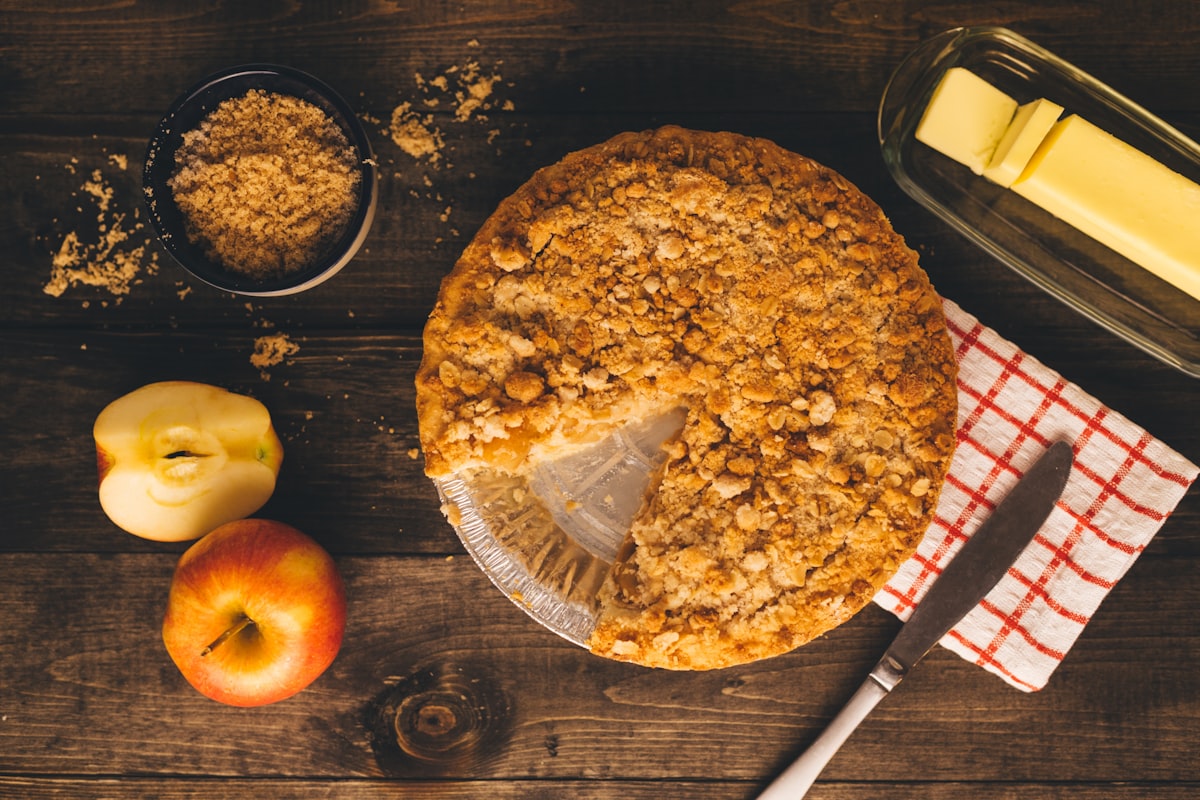 Ina Garten-Inspired Apple Crisp: Use Two ApplesOne variety that collapses into sauce and one that holds its shape. A single apple gives you either all mush or all chunks.
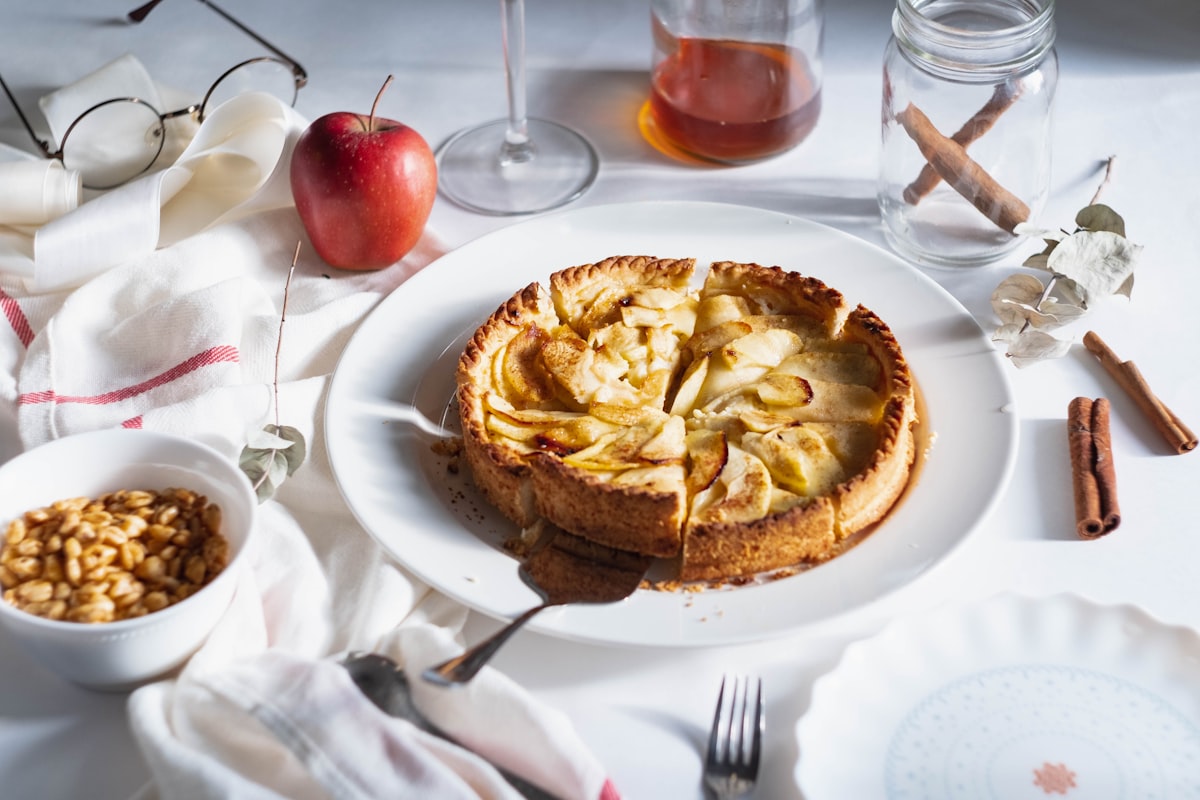 Ina Garten-Inspired Apple Tart: Slice Them Paper ThinNo thickener and no precooked filling. Sliced thin enough, the apples finish in exactly the time the puff pastry needs to rise.
 Ina Garten-Inspired Blueberry Ricotta Cake: Drain ItSupermarket ricotta carries a lot of loose whey. Drain it in a sieve for an hour or the batter is too wet and the cake sinks.