Ina Garten-Inspired Scones
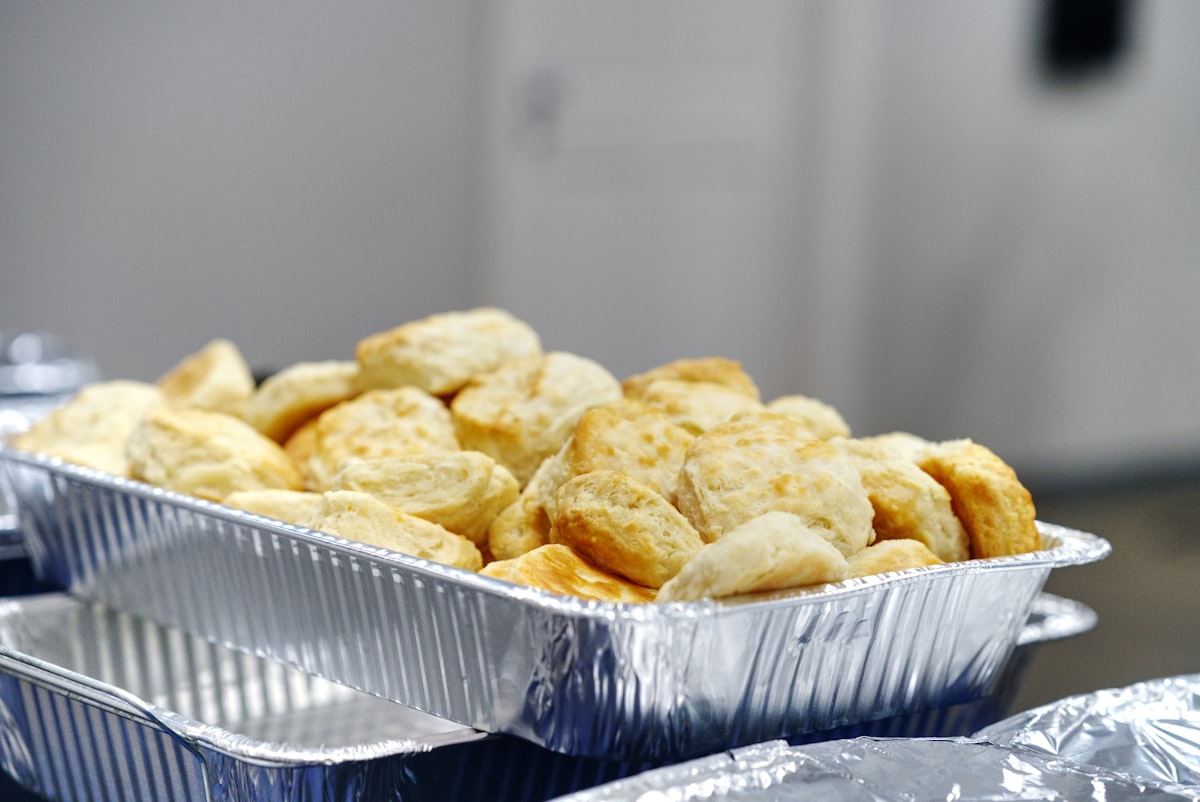
There is a habit almost everyone has when cutting scones, and it costs about a centimetre of height.
Twisting the cutter smears and seals the cut edge. The layers you spent the last ten minutes keeping separate are pressed shut around the whole circumference, and the scone cannot climb — it rises in the middle, leans, or comes out squat with a rounded shoulder. Press the cutter straight down through the dough and lift it straight up. No turn.
Dip the cutter in flour between scones if it sticks. That is the only reason anyone started twisting.
Jump to the recipe ↓Ina Garten-Inspired Scones
Serves 12 · Baking
- Prep
- 20 min
- Cook
- 20 min
- Total
- 40 min
Moderate7 steps, a technique that commonly fails
~380 kcal per servingestimated
Ingredients
- 450 g plain flour
- 2 tbsp baking powder
- 50 g caster sugar
- 1 tsp fine salt
- 170 g butter, frozen
- 250 ml cold double cream, plus more for brushing
- 2 eggs, cold
- 150 g dried fruit or berries, optional
- demerara sugar, for the top
Method
- Heat the oven to 200°C (180°C fan).
- Whisk the flour, baking powder, sugar and salt together.
- Grate the frozen butter into the flour and toss it through with a knife.
- Beat the cream and eggs together and pour in. Bring it together with as few strokes as possible — it should look shaggy and underdone.
- Pat out to 2.5 cm, fold in half twice, and pat out again.
- Cut straight down without twisting.
- Brush with cream, scatter demerara, and bake until risen and golden.18–20 minutes
Grate the butter from frozen
Scones rise on the same principle as puff pastry: pieces of solid butter turn to steam and force the dough apart. Rubbing warm butter in with your fingers melts it into the flour and you lose the effect. Freeze the block, grate it on the coarse side of a box grater, and toss the shreds through the flour with a knife.
Handle it as little as possible, and pat rather than roll
A rolling pin compresses the layers you are trying to preserve. Pat the dough out to about 2.5 cm with your hands, fold it over on itself twice — this makes the sheets that pull apart when you break the scone open — then pat it out again and cut.
Put them close together on the tray
Scones spaced two centimetres apart support each other as they rise and climb higher than scones baking alone. It is the same reason a batch of bread rolls baked touching comes out taller. Not so close that they fuse — close enough that the sides stay soft.
Storing
They are a same-day thing, and best within two hours. Frozen raw, cut and on a tray, they bake straight from the freezer with an extra four minutes and are better than any day-old scone.
Questions people ask
Why did my scones not rise?
Most often the cutter was twisted. After that: warm butter, or the dough was overworked.
Why fold the dough?
It creates the layers that let a scone pull apart rather than crumble.
Can I make them ahead?
Cut them, freeze them raw on a tray, and bake from frozen. Better than baking ahead.
Can I use milk instead of cream?
Yes, though cream gives a richer, more tender crumb. Buttermilk works well too.
More like this
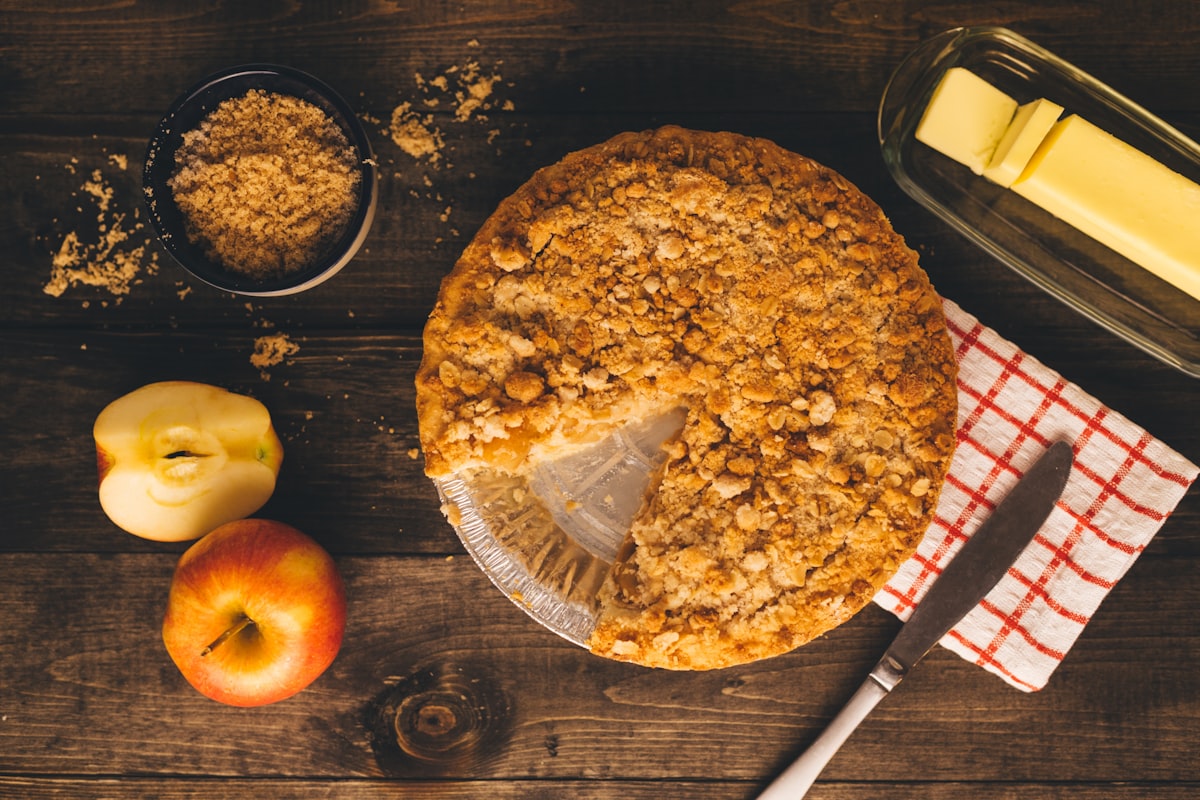 Ina Garten-Inspired Apple Crisp: Use Two ApplesOne variety that collapses into sauce and one that holds its shape. A single apple gives you either all mush or all chunks.
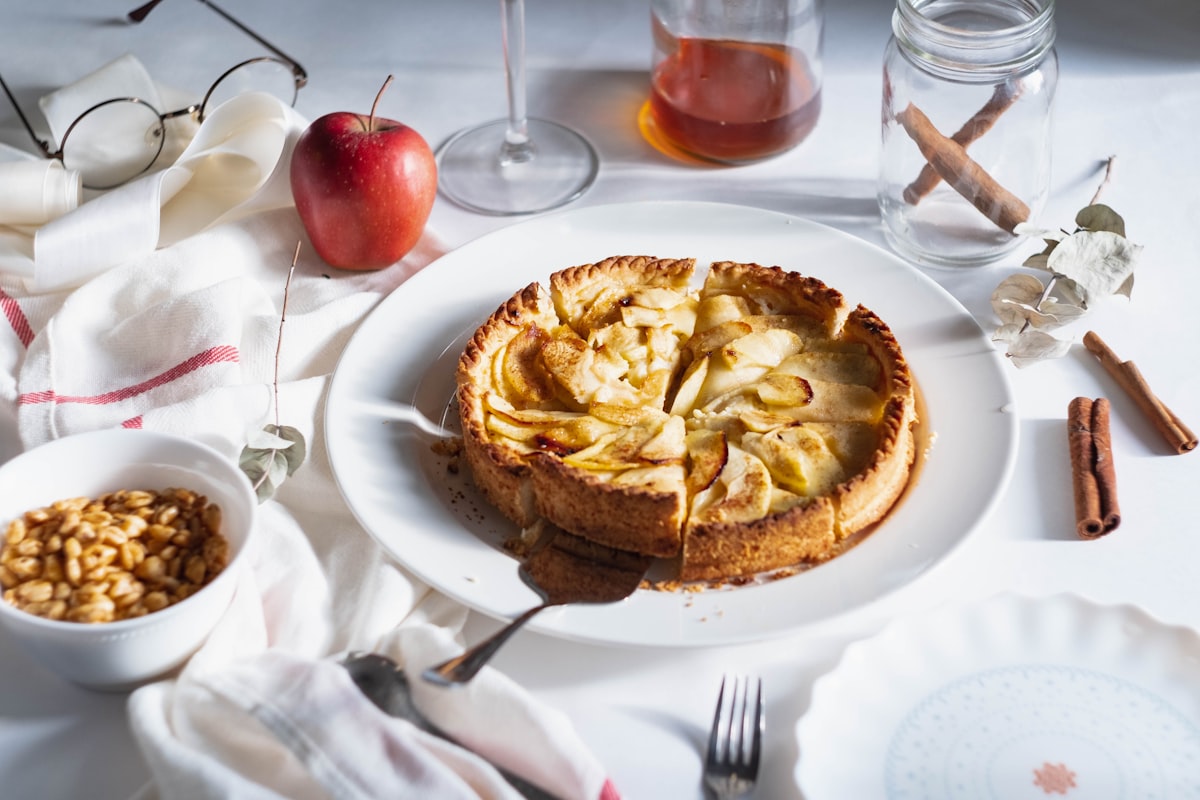 Ina Garten-Inspired Apple Tart: Slice Them Paper ThinNo thickener and no precooked filling. Sliced thin enough, the apples finish in exactly the time the puff pastry needs to rise.
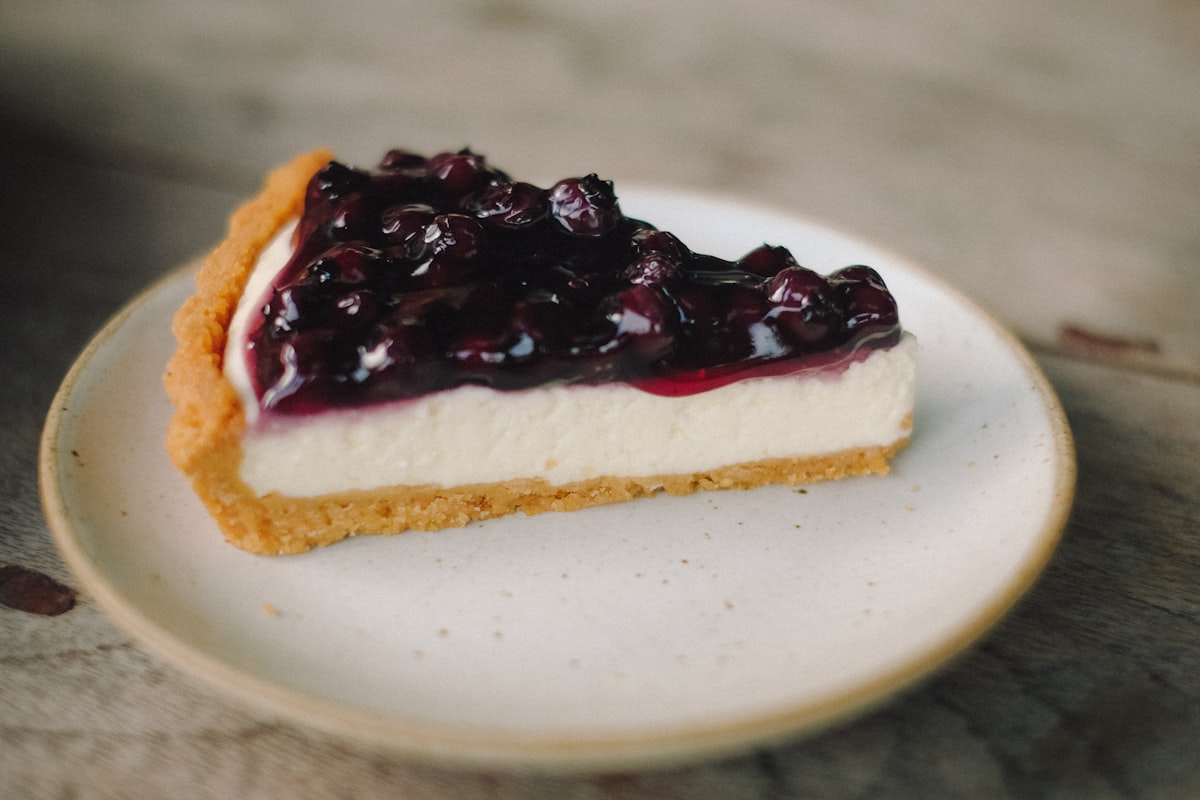 Ina Garten-Inspired Blueberry Ricotta Cake: Drain ItSupermarket ricotta carries a lot of loose whey. Drain it in a sieve for an hour or the batter is too wet and the cake sinks.