Ina Garten-Inspired Winter Minestrone Soup
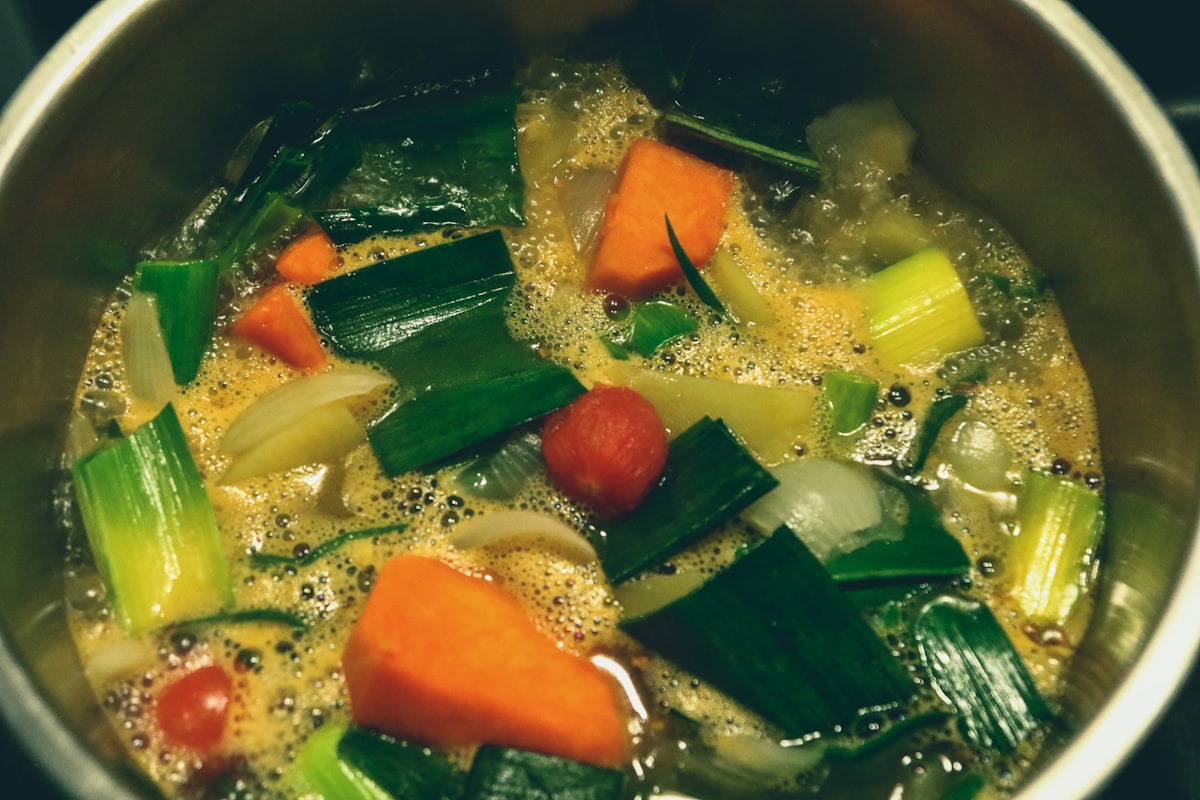
Vegetable soups made at home tend to taste like the sum of their vegetables. This one has a component most people throw away.
Drop a Parmesan rind into the pot and simmer it for the full hour. It softens, gives up glutamates and dissolved fat, and leaves the broth with a savoury weight you cannot get from stock cubes or from cheese grated over at the table. Fish it out before serving, or leave it in for whoever finds it.
Save the rinds in the freezer. They cost nothing and they are the single best thing you can do to a vegetable soup.
Jump to the recipe ↓Ina Garten-Inspired Winter Minestrone Soup
Serves 8 · Soup
- Prep
- 25 min
- Cook
- 1 hr
- Total
- 1 hr 25 min
Moderate8 steps, 14 ingredients
Ingredients
- 3 tbsp olive oil
- 2 onions, diced
- 3 carrots, diced
- 3 celery sticks, diced
- 4 garlic cloves, sliced
- 1 small butternut squash, cubed
- 2 tbsp tomato purée
- 1 x 400 g tin chopped tomatoes
- 2 litres chicken or vegetable stock
- 1 Parmesan rind
- 2 x 400 g tins cannellini beans, drained
- 200 g kale or savoy cabbage, shredded
- 150 g small pasta, cooked separately
- 2 tsp kosher salt
Method
- Soften the onion, carrot and celery in oil over medium heat.15 minutes
- Add the garlic and tomato purée and cook until it darkens.2 minutes
- Add the squash, tomatoes, stock, salt and the Parmesan rind.
- Simmer , uncovered.45 minutes
- Add the beans and warm through.
- Stir the greens in for the final only.5 minutes
- Cook the pasta separately and add it to the bowls, not the pot.
- Remove the rind. Finish with olive oil and black pepper.
Cook the pasta separately
Pasta added to the pot absorbs broth as it cooks and keeps absorbing it in the fridge, which is why leftover minestrone is often a damp stew. Boil it apart, keep it apart, and put it in the bowl before the soup goes over.
Build the base slowly, then add the fast things late
Onion, carrot and celery need fifteen minutes over medium heat to sweeten — this is the flavour floor of the whole pot. Butternut and beans go in with the stock. The greens go in during the final five minutes, or they turn khaki and bitter.
Mash some of the beans
A ladleful of beans crushed against the side of the pot and stirred back in thickens the broth without flour and without a blender. It is the difference between vegetables sitting in liquid and a soup that holds together.
Storing
Five days in the fridge, three months frozen — always without the pasta. It thickens as it stands; loosen with stock rather than water so you are not diluting what you built.
Questions people ask
What does the Parmesan rind actually do?
It releases savoury glutamates and a little fat into the broth over a long simmer. Grated cheese on top does not reach the same place.
Can I make it vegetarian?
Yes — use vegetable stock. Note that most Parmesan is made with animal rennet, so use a vegetarian hard cheese and its rind if that matters.
Why keep the pasta separate?
It goes on absorbing broth in the pot and in the fridge, and the leftovers turn stodgy.
Can I freeze it?
Yes, without the pasta and ideally without the greens, which go slimy.
More like this
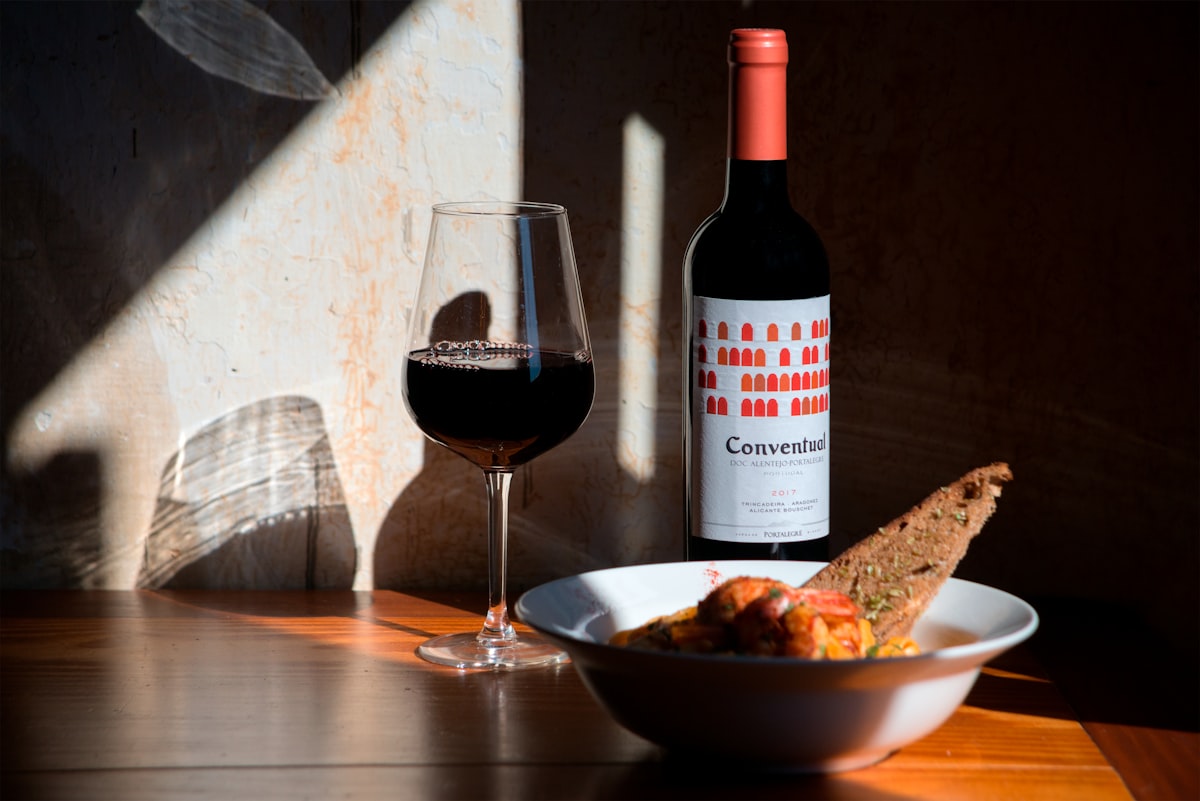 Ina Garten-Inspired Beef Bourguignon: Garnish ApartThe onions and mushrooms are cooked separately and added at the end. Simmered in from the start they are what turns it into ordinary stew.
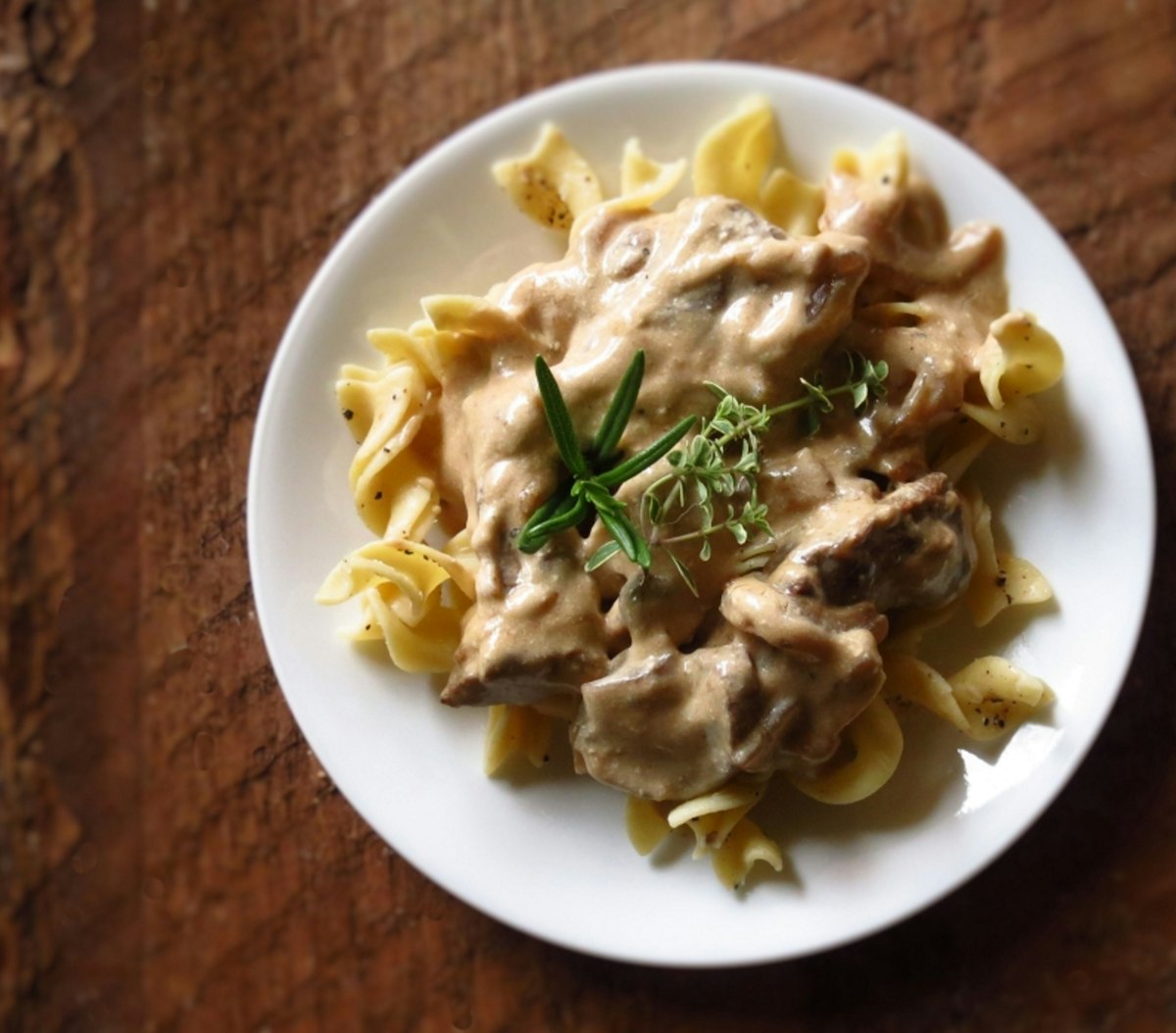 Ina Garten-Inspired Beef Stroganoff: Not Stewing SteakStroganoff is a fast dish and stewing beef needs hours. Use fillet or sirloin, seared in seconds, or it turns grey and tough.
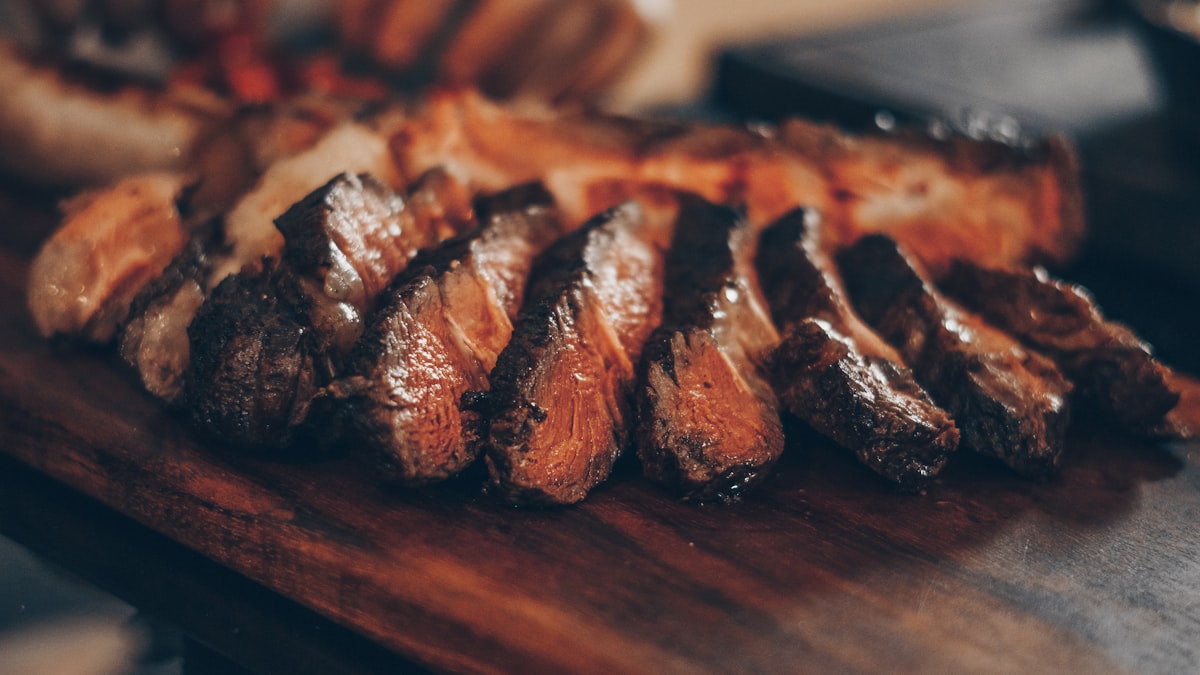 Ina Garten-Inspired Beef Tenderloin: Tuck the TailA whole tenderloin tapers from thick to thin. Fold the narrow end under and tie it, or that end is well done before the middle is warm.